What is an Isolation Switch and How Does it Work?

An Isolation Switch is a critical component in electrical systems. It ensures safety by allowing operators to disconnect a circuit from the power source. Dr. Emily Carter, an expert in electrical engineering, highlights its importance: “The Isolation Switch is vital for maintenance and safety.”

Often found in substations and industrial setups, these switches prevent accidental energization. They provide a clear visual indication of whether a circuit is live or isolated. The design can vary, but the main function remains the same: protection.

However, not all systems incorporate Isolation Switches effectively. Some installations overlook their necessity. This can lead to accidents and costly repairs. It's essential to recognize the role they play in enhancing the safety of operations. Understanding the proper use of an Isolation Switch is a step toward ensuring a safer work environment.
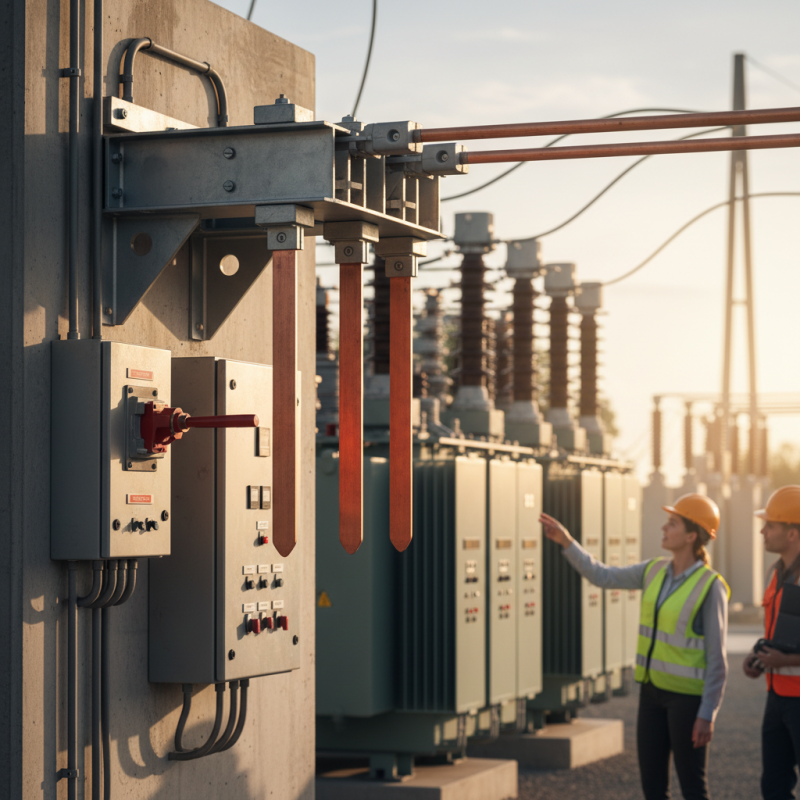
What is an Isolation Switch and How Does it Work?

What is an Isolation Switch: Definition and Purpose

An isolation switch is a key component in electrical systems. It acts as a safeguard, allowing for the disconnection of electrical circuits. This ensures user safety during maintenance or repairs. The primary purpose of an isolation switch is to prevent accidental re-energization while work is being done.

These switches can be found in various settings, including homes and industrial sites. They provide a clear means of disconnecting power. For example, when someone needs to work on a circuit, flipping the isolation switch ensures that there is no electrical current flowing. This simple action can save lives.

Tip: Always label your isolation switches clearly. This helps others recognize their function quickly.

When using an isolation switch, consider its placement. It should be accessible yet out of the way of everyday activities. It's easy to overlook this detail. You might think it's easy to find it later, but in an emergency, every second counts.

Tip: Test the isolation switch regularly. Ensuring it operates correctly can prevent potential accidents. Regular checks may seem tedious, but they are necessary. Safety should never be compromised, even if it feels repetitive.

Components of an Isolation Switch and Their Functions

Isolation switches are crucial in electrical systems. They enable the disconnection of circuit sections to enhance safety and maintenance. Understanding the components of an isolation switch is essential. Common components include the operating mechanism, the body, and terminal contacts.

The operating mechanism allows users to control the switch manually. This can be a lever, a knob, or a push-button system. It's important to choose a mechanism that is easy to operate. The body houses all parts and is often made from durable materials. High-quality materials ensure longevity and safety. Terminal contacts are critical as they facilitate the connection or disconnection of power. Well-designed contacts minimize energy loss and ensure smooth operation.

**Tips:** Regularly inspect the switch components. Look for signs of wear or corrosion. Ensure that the mechanism operates smoothly. Sometimes, a simple cleaning can improve efficiency. Finally, consider the installation environment. Humidity or dust can affect functionality. Keep components dry and clean for optimal performance.

How an Isolation Switch Operates in Electrical Systems

An isolation switch is crucial in electrical systems. It serves as a safety device that disconnects sections of the electrical circuit. This allows maintenance work without risk. When active, the isolation switch ensures that no electrical current flows through the system. Thus, it protects technicians during repairs. Knowing how it operates is essential for safe practices.

This switch functions by interrupting the power supply. It often features clear indicators. Users can visually confirm the state of the switch. In many cases, operators must turn a knob or pull a lever. The simplicity of its design is admirable. Yet, regular checks are necessary to ensure its reliability. Neglecting this can lead to dangerous situations. A faulty isolation switch may not cut off power effectively, putting lives at risk.

Isolation switches can vary in complexity. Some are manual, while others can be automated. The latter offers convenience but requires proper settings. Misconfiguration might happen easily. It shows that even simple devices demand attention to detail. A well-functioning isolation switch can enhance safety, but it relies on diligent maintenance. Everyone in the system plays a role in keeping it safe and effective.

Applications and Importance of Isolation Switches in Safety

Isolation switches play a crucial role in ensuring safety in various electrical systems. These devices are used to completely disconnect power from machinery, preventing accidental energization during maintenance. In factories, for example, isolation switches help protect workers by cutting off electricity while repairs are made. The importance of this cannot be overstated. Inappropriately energized systems can lead to severe accidents.

In residential settings, isolation switches aid in safety measures. Homeowners can manually disconnect certain appliances during storms or emergencies. This simple act can prevent fires or electrical surges. However, many people overlook the need for regular maintenance. A neglected switch can fail when it is most needed.

Furthermore, the placement of these switches should be easily accessible but not prone to accidental activation. Careful planning is essential to maximize safety.

Industries rely heavily on isolation switches to maintain operational safety. Regular checks and updates are necessary to keep these switches functional. Nevertheless, many organizations delay these tasks, creating a gap in safety protocols. Awareness about the importance of isolation switches is key. Education on their function can lead to better adherence to safety regulations. A small investment in training can save lives and prevent costly damages.

Maintenance and Troubleshooting of Isolation Switches

Isolation switches play a crucial role in ensuring safety during maintenance. Regular checks and diagnostic procedures are vital to their smooth operation. According to a report by the International Electrotechnical Commission, improper handling of isolation switches can lead to 25% of electrical accidents in factories. This highlights the need for vigilant maintenance practices.

Maintenance tasks should include visual inspections for damage and corrosion. A thorough check should be performed on the electrical contacts too. If you notice any wear, it should be addressed immediately. Neglecting such details can cause unexpected failures. Interestingly, studies show that 40% of switch failures result from lack of proper maintenance. This is concerning and reflects a gap in preventive strategies.

Troubleshooting isolation switches requires knowledge of basic electrical principles. Technicians often overlook the importance of testing the operational status in real-time. A quick resistance measurement can reveal signs of wear that aren’t visible. Moreover, ensuring proper torque settings on connections is critical. Adjustments can make a significant difference in reliability. Yet, many users fail to adhere to manufacturer specifications, leading to potential hazards.

Article Source: