Why Is a Regulated Power Supply Important for Your Devices?
In today's fast-paced technological landscape, the significance of a Regulated Power Supply cannot be overstated. Dr. Emily C. Hart, a leading expert in power electronics, once stated, "A regulated power supply is the backbone of reliable device operation." This statement highlights the crucial role that stable energy sources play in our electronic devices.
Devices today require consistent voltage and current to function effectively. Fluctuations in power can lead to malfunction or damage. For instance, a smartphone might fail to charge correctly if the power supply is unstable. Users often overlook this aspect, risking their devices' longevity. A well-regulated power supply can ensure optimal performance.
Even with advancements in technology, challenges still arise. Users may not understand the differences between regulated and unregulated supplies. Many devices come with generic power supplies that don't meet specific needs. Educating consumers about the advantages of a regulated power supply can lead to better choices. Ultimately, informed decisions can enhance device reliability and user satisfaction.
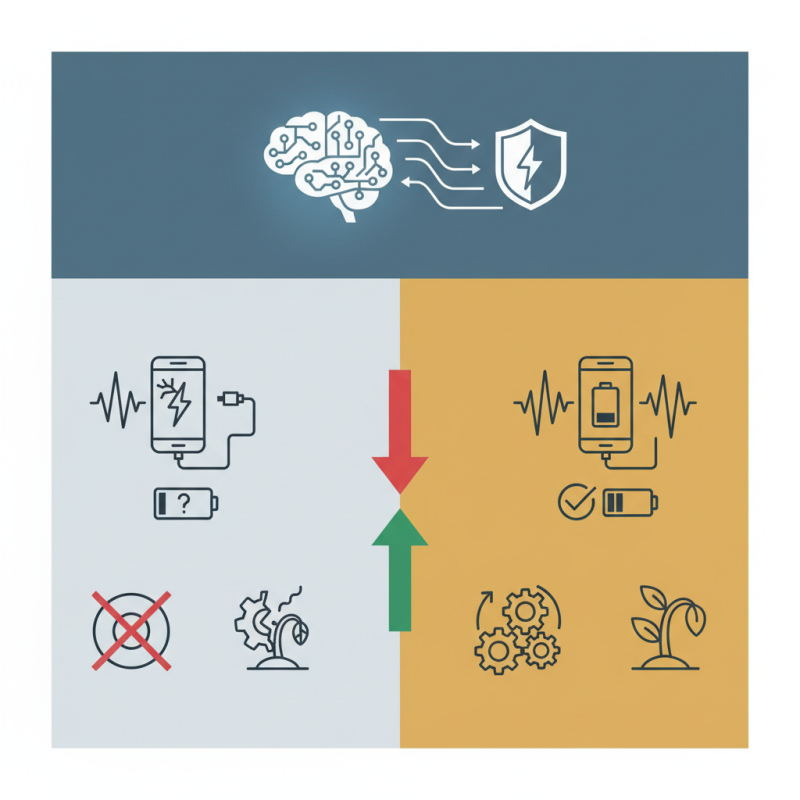
Understanding Regulated Power Supply and Its Role
A regulated power supply is crucial for the smooth operation of electronic devices. It ensures that the voltage and current levels remain consistent. This steadiness protects sensitive components from damage. Devices can function properly only when they receive the right power levels.
Consider this: many devices today require specific input to work optimally. Fluctuations can lead to errors or even failure. For instance, a computer might shut down unexpectedly if power levels drop. For beginners, checking specifications is a good habit.
Tips: Always use a power supply that matches the device’s specifications. This could prevent issues like overheating or malfunctioning.
Additionally, think about surge protection. Sudden spikes can harm your electronics. Investing in a surge protector can save you money in the long run. Pay attention to your devices’ power needs, even if it seems tedious. It often makes a significant difference.
Key Benefits of Regulated Power Supply for Devices
A regulated power supply ensures your devices operate smoothly. It maintains a constant voltage level, which is crucial for performance. Devices like computers and medical equipment rely heavily on stable power. Fluctuating power can lead to malfunctions or damage.
One key benefit is enhanced safety. A regulated supply minimizes risks of overheating. This can help prevent fires or damage to sensitive components. Additionally, it increases the lifespan of your devices. Over time, stable power usage will reduce wear and tear.
Another advantage is efficiency. Regulated power supplies convert electricity more effectively. This means less wasted energy, which can be beneficial for the environment. However, not all devices are equally sensitive to power variations. Some might operate on unregulated supplies with few issues. Yet, it’s a risk that could lead to costly repairs or replacements. Understanding these aspects is vital for device longevity.
Common Problems Caused by Unregulated Power Supplies
Unregulated power supplies can lead to various problems. Fluctuations in voltage can damage sensitive components in your devices. For instance, studies show that electronic failures can increase by up to 25% when exposed to inconsistent power. This can lead to costly repairs or replacements that could have been avoided.
Overheating is another issue with unregulated supplies. Devices that run on unstable voltage may generate excessive heat. In fact, around 50% of hardware malfunctions are linked to overheating. It’s crucial to recognize these challenges to protect your valuable electronics.
TIp: Invest in quality surge protectors to mitigate voltage spikes.
Emotional stress can arise from sudden device failures. It disrupts workflows and daily activities. Taking preventive measures is essential.
Tip: Regularly check the power supply for any irregularities.
Understanding the risks of unregulated power is vital. Ignoring these could lead to more severe consequences.
How to Choose the Right Regulated Power Supply for Your Needs
Choosing the right regulated power supply is crucial for ensuring your devices operate efficiently. Start by assessing the voltage and current requirements of your devices. Different devices need varying levels of power. Some need a consistent output, while others can tolerate fluctuations. It’s essential to match these specifications closely.
Consider the environment where the power supply will be used. Does it need to tolerate high temperatures or humidity? Selecting one that can withstand these conditions will extend its life. Look for power supplies with built-in protections to prevent overvoltage and short circuits. Sometimes, lower-quality options might save money, but they can lead to failures.
Don't forget about size and form factor. A compact unit might save space but could have limitations. If your project grows, will it still meet your needs? These are questions worth reflecting on. Pay attention to reviews and experiences from others. Real-world feedback is invaluable in making an informed choice. It’s worth taking the time to evaluate all these factors.
Why Is a Regulated Power Supply Important for Your Devices? - How to Choose the Right Regulated Power Supply for Your Needs
| Parameter | Description | Importance | Considerations |
| Voltage Rating | The output voltage level provided by the power supply. | Essential to match devices' requirements. | Ensure compatibility with your devices. |
| Current Rating | The maximum output current that can be supplied. | Necessary for device functionality without overload. | Calculate total current needs of all devices. |
| Ripple Voltage | The AC fluctuation present on the DC output. | Affects the stability and performance of sensitive devices. | Choose supplies with low ripple for sensitive applications. |
| Load Regulation | The ability to maintain output voltage under varying loads. | Critical for ensuring device performance consistency. | Check the specified load regulation percentages. |
| Efficiency | Ratio of output power to input power. | High efficiency reduces energy costs and heat generation. | Consider higher efficiency models for savings over time. |
| Size and Form Factor | Physical dimensions and layout of the power supply. | Important for fitting into designated equipment spaces. | Measure available space before purchasing. |
Maintenance Tips for Ensuring Optimal Power Supply Performance
A regulated power supply plays a vital role in ensuring your devices operate effectively. Regular maintenance is crucial for optimal performance. Check connections frequently; loose wires can lead to fluctuating voltages. Dust buildup can also affect efficiency. Use a soft cloth to clean surfaces.
Testing voltage levels is another important step. Instruments can help monitor output. If readings fluctuate, it may indicate a problem. It’s often overlooked, yet vital. Consider upgrading components if they show signs of wear. Simple checks can prevent major issues down the road.
Occasionally, devices may experience unexpected shutdowns or errors. Take these signs seriously. They could indicate an unstable power source. Always ensure your power supply is configured properly for your device’s requirements. This can save time and money on repairs later. Be attentive; a small oversight can lead to significant setbacks.