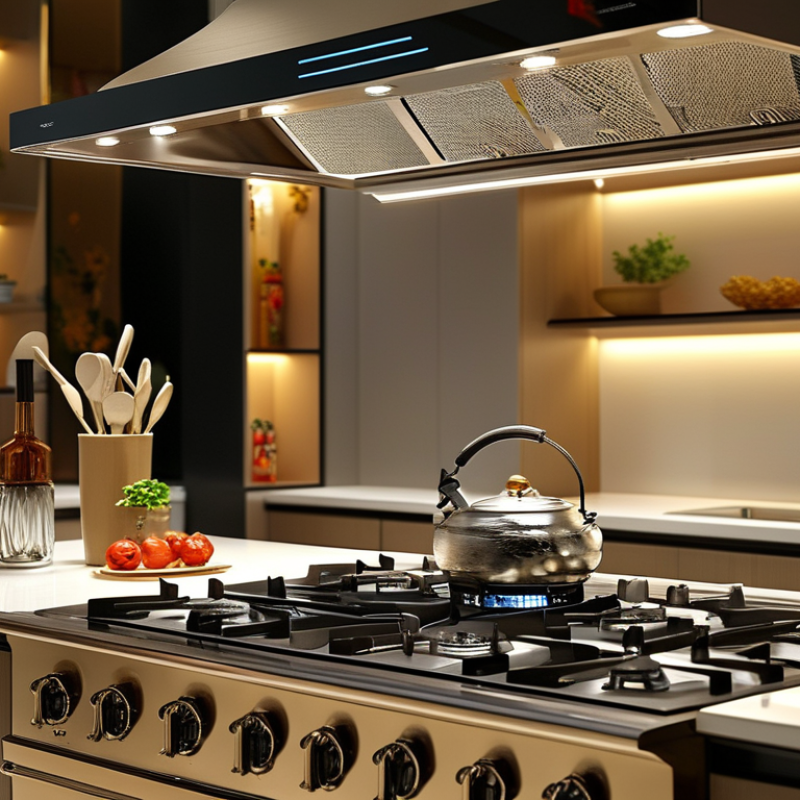
How to Choose the Best Gas Cooker Hood for Your Kitchen?
Choosing the right Gas Cooker Hood for your kitchen can be a daunting task. With a variety of models available, making the best choice requires careful consideration. Gas cooker hoods are essential in managing smoke, steam, and heat, ensuring a pleasant cooking environment.
When selecting a gas cooker hood, think about the size and power that matches your stove. A good hood should effectively capture cooking odors and grease. It should fit your kitchen design, seamlessly blending with your style. A powerful but quietly operating unit is ideal for busy cooks.
Remember, not all hoods are created equal. Some may look great but lack efficiency. Researching reputable brands and reading reviews is crucial for informed decisions. Reflecting on your cooking habits can guide your choice, too. A thoughtful selection will enhance your cooking experience and kitchen atmosphere.
Factors to Consider When Selecting a Gas Cooker Hood
Selecting the right gas cooker hood for your kitchen involves various critical factors. Extraction rate, measured in cubic meters per hour (m³/h), plays a vital role. Reports indicate that an ideal hood should provide an extraction rate of at least 350 m³/h for standard kitchen setups. This ensures efficient removal of smoke and odors, creating a pleasant cooking environment.
Noise level matters too. Many consumers overlook this aspect, but a noisy cooker hood can disrupt a peaceful kitchen atmosphere. Ideally, choose hoods with a sound level below 60 decibels during operation. This balance between efficiency and sound can significantly enhance your cooking experience. Additionally, consider the hood's design. Aesthetics and functionality must align.
Many consumers struggle with the balance of power and efficiency. Some hoods draw too much energy or underperform. A report from the European Ventilation Industry Association suggests that energy-efficient models reduce energy consumption by up to 30%. It's essential not only to ensure effective ventilation but also to invest in a solution that pays attention to energy sustainability. Reflecting on these factors can lead to a more informed and satisfying purchase decision.
Types of Gas Cooker Hoods and Their Applications
When selecting a gas cooker hood, understanding the types available can greatly impact your kitchen experience. The two primary types include ducted and recirculating hoods. Ducted hoods vent smoke and odors outside, providing excellent air quality. They're ideal for heavy cooking environments, such as when frying or grilling.
On the other hand, recirculating hoods filter the air before returning it to the kitchen. They are simpler to install but may not effectively eliminate all cooking odors. Choosing the right type depends on your cooking habits and kitchen layout. A professional kitchen might benefit from a powerful ducted hood, while a smaller home kitchen could suffice with a recirculating model.
Every option comes with pros and cons. Ducted hoods require more installation effort and space. Recirculating models can struggle with efficiency. Reflect on your cooking style and your home's ventilation before making a decision. In the end, the best choice is one that aligns with your unique needs and kitchen dynamics.
Sizing Your Gas Cooker Hood for Optimal Performance
When selecting a gas cooker hood, proper sizing is crucial for optimal performance. A well-sized hood effectively captures smoke and odors, enhancing your cooking environment. Measure the width of your cooktop; the hood should ideally match or exceed this measurement. For best airflow, consider the height of your kitchen ceiling. A taller ceiling may require a more powerful unit to maintain efficiency.
Proper ducting is another important aspect. Ensure your ductwork is appropriately sized for the hood. Oversized ducts can lead to reduced suction, while undersized ducts may not allow sufficient airflow. Use straight ducting whenever possible. Each bend in the duct reduces efficiency, which can lead to lingering smoke and odors.
**Tips:** Maintain a distance of 24 to 30 inches between the cooktop and the hood. This distance promotes effective capture of fumes. Regularly clean the filters to sustain airflow. Lastly, consider the style of your kitchen. A hood that blends well can enhance the overall appearance while being functional. Remember, a poorly sized hood can affect both air quality and aesthetic appeal.
How to Choose the Best Gas Cooker Hood for Your Kitchen? - Sizing Your Gas Cooker Hood for Optimal Performance
| Hood Type | Width (inches) | CFM Rating | Noise Level (Sones) | Ducted or Ductless |
| Wall-Mounted | 30 | 600 | 6.0 | Ducted |
| Under-Cabinet | 30 | 300 | 5.0 | Ductless |
| Islands | 36 | 720 | 7.0 | Ducted |
| Wall Canopy | 30 | 500 | 4.0 | Ducted |
| Downdraft | 30 | 400 | 3.5 | Ducted |
Key Features to Look for in a Gas Cooker Hood
When choosing a gas cooker hood, several key features should guide your decision. First, consider the extraction rate, measured in cubic meters per hour. A higher extraction rate means better performance in removing cooking fumes. Look for models that offer at least 300 m³/h for optimal ventilation in busy kitchens.
Noise levels are another critical aspect. Some hoods can be quite loud, disrupting your cooking experience. Aim for a model with a noise level below 60 decibels for a quieter operation. The type of filters is also important. Metal filters are durable and easy to clean, while charcoal filters are ideal for odor absorption.
Finally, think about the hood's design. Ensure it complements your kitchen’s aesthetics. A hood should blend with your space rather than stand out too much. This often requires balance. Not all hoods fit every kitchen style. Taking time to understand these aspects can significantly improve your cooking environment. Make sure to explore various options and reflect on what best serves your culinary needs.
Key Features to Look for in a Gas Cooker Hood
Maintenance Tips to Ensure Longevity of Your Cooker Hood
Proper maintenance of your gas cooker hood is essential for its longevity. Regular cleaning is vital. It is recommended to clean the filters monthly, as grease buildup can affect performance. According to industry reports, a dirty filter can reduce airflow efficiency by up to 50%. This can lead to increased cooking odors and poor ventilation in your kitchen.
Additionally, inspect your cooker hood for any signs of wear or damage. Look for cracks or loose fittings. The lifespan of cooker hoods can vary significantly, but on average, they last about 10 years with proper care. Some parts, like the light bulbs and filters, may need replacement every few years. A survey from the Kitchen Appliance Association revealed that homeowners who perform regular maintenance save an average of 20% on energy costs.
Remember, thorough maintenance not only improves performance but also ensures safety. A neglected cooker hood can become a fire hazard due to grease accumulation. Stay proactive with your cleaning routine, and invest time in maintaining your appliance. This will ultimately enhance its efficiency and usability.