Best Photovoltaic Connectors for Efficient Solar Installations?
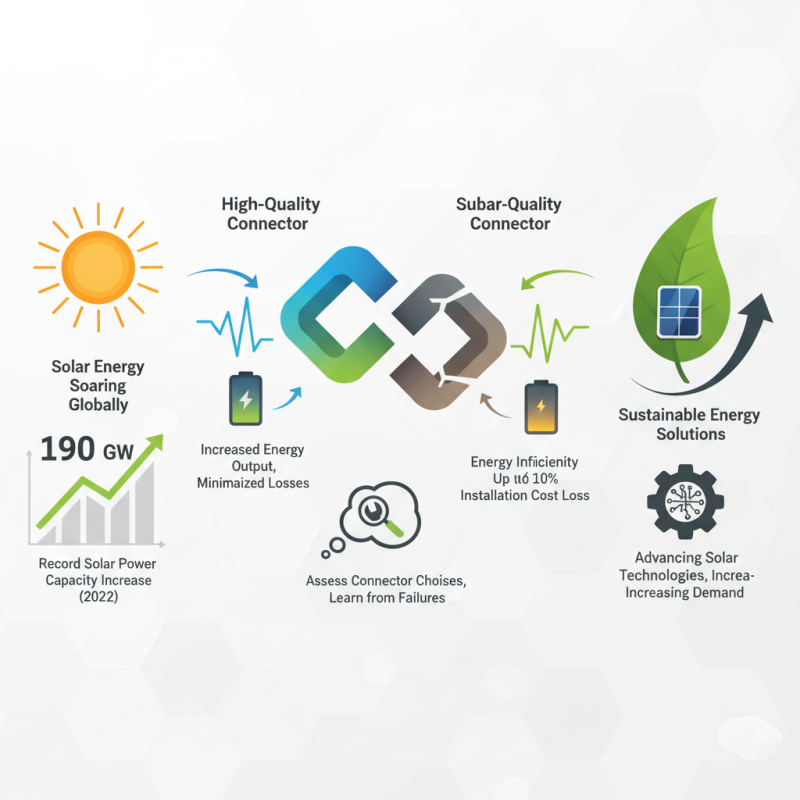
The adoption of solar energy is soaring globally. In 2022, the International Energy Agency reported a record solar power capacity increase of 190 GW. As solar installations expand, the importance of components like Photovoltaic connectors becomes evident. These connectors play a critical role in ensuring the efficiency and safety of solar systems. Properly chosen connectors can boost energy output and minimize losses.
However, not all photovoltaic connectors are created equal. Quality varies widely across the market. A subpar connector can lead to energy inefficiency. In fact, poor connections contribute to a significant percentage of energy loss, stressing the need for reliable components. Data suggests that up to 10% of the total installation cost may be attributed to connector quality and installation practices.
As solar technologies advance, the demand for efficient photovoltaic connectors will only increase. It’s essential for installers and manufacturers to continually assess their connector choices. Reflection on past failures can provide valuable lessons. Choosing the right connectors is not just a technical decision; it's a crucial step in the journey toward sustainable energy solutions.
Overview of Photovoltaic Connectors in Solar Installations
Photovoltaic connectors play a crucial role in enhancing the efficiency of solar installations. These connectors ensure reliable electrical connections between solar panels, optimizing energy transfer. According to industry research, improper connectivity can lead to a 10% decrease in energy output. Therefore, selecting the right photovoltaic connectors is essential for performance.
Over time, connectors have evolved to meet the demands of solar technology. The latest designs focus on durability and weather resistance, allowing installations to withstand harsh environmental conditions. In fact, reports indicate that high-quality connectors can reduce maintenance costs by up to 15%. This emphasizes the need for careful selection in installations.
Tip: When choosing connectors, consider both compatibility and installation ease. Ensuring a solid fit reduces the risk of disconnections over time. Also, be mindful of the materials used; some connectors may not perform well under extreme temperatures or humidity.
Another critical aspect is the installation process. Mishandling connectors can lead to oxidation and reduced efficiency. A guarantee of a snug fit alongside corrosion-resistant materials can prevent long-term issues. Regular inspections are advisable to identify potential problems early, ensuring maximum output.
Types of Photovoltaic Connectors and Their Specific Applications
Photovoltaic connectors play a crucial role in solar installations. There are various types that cater to different needs. For example, MC4 connectors are widely used due to their reliability and weather resistance. These connectors ensure a secure and efficient link between solar panels. They're essential for both residential and commercial setups.
Tips: Always check the compatibility of connectors before installation. Mismatched connectors can lead to inefficiencies. Solar connectors must endure various weather conditions. Therefore, quality materials are a must. Low-quality connectors may save money initially but could cause more significant problems later.
Another critical type is the H4 connector. This type allows for parallel connections of solar panels. It is often used in larger systems where multiple panels need to work together. H4 connectors enhance energy output and system efficiency. However, it's important to ensure proper termination to avoid energy loss.
Tips: Regular maintenance checks are advisable. Inspecting connectors for corrosion or damage can prevent failures. Inadequate sealing may lead to moisture intrusion. This intrusion can degrade performance significantly, affecting the entire solar system.
Best Photovoltaic Connectors for Efficient Solar Installations
Key Features to Consider for Selecting Efficient Connectors
When selecting efficient photovoltaic connectors, several key features are crucial. The connectors must handle high temperatures and resist environmental stress. A study by the National Renewable Energy Laboratory (NREL) indicates that connector failures can reduce system efficiency by up to 30%. This emphasizes the importance of robust materials.
Another aspect to consider is the ease of installation. Connectors should feature a user-friendly design. This will minimize the potential for installation errors. Research has shown that improper connections lead to significant energy losses. Statistics reveal that poor installation practices can result in a 10% decrease in energy output.
Moreover, compatibility with various solar panels is vital. Connectors must work seamlessly across different systems to ensure optimal performance. Industry reports have highlighted that mismatched connectors can lead to increased maintenance costs. In the long run, this can affect overall system reliability. It’s important to weigh these factors carefully when choosing photovoltaic connectors.
Installation Best Practices for Optimal Connector Performance
When installing photovoltaic connectors, proper techniques significantly impact performance. Start by ensuring clean and dry surfaces. Any dirt or moisture can cause poor connections. A simple wipe with a lint-free cloth goes a long way. Check for any manufacturing defects before installation. If connectors don’t snap in correctly, they might fail early.
Temperature variations affect connector integrity. Choose connectors rated for your environment. For instance, extreme heat can weaken some materials. It’s essential to consider local climate conditions. Use protective covers when connectors are exposed. This adds an extra layer of defense against elements.
Documentation is often overlooked, yet crucial. Keep a record of your installation steps and materials used. It helps troubleshoot future issues. Many forget to revisit these documents, complicating repairs and maintenance. Learning from mistakes is vital. Reflecting on past installations can reveal areas for improvement. After all, optimal performance depends on attention to detail.
Maintenance Tips for Longevity of Photovoltaic Connectors
Photovoltaic connectors play a vital role in solar installations. Their efficiency directly impacts energy production. To ensure they last, regular maintenance is essential. Dust and moisture can accumulate in connectors. This can lead to corrosion and reduced performance.
Cleaning connectors regularly is crucial. Use a soft cloth to wipe away dirt. Avoid using harsh chemicals that could damage the components. Make sure all connections are tight. Loose connections can cause overheating and other issues.
Sometimes, connectors wear out unexpectedly. This may go unnoticed until a significant problem arises. Regular inspections can help identify these issues. Look for signs of wear, such as discoloration or cracks. Addressing these early can save time and resources in the long run.